Classic Italian Margherita Pizza Recipe
Make a classic Italian Margherita Pizza at home with a crispy homemade crust, rich tomato sauce, fresh mozzarella and fragrant basil.
View Recipe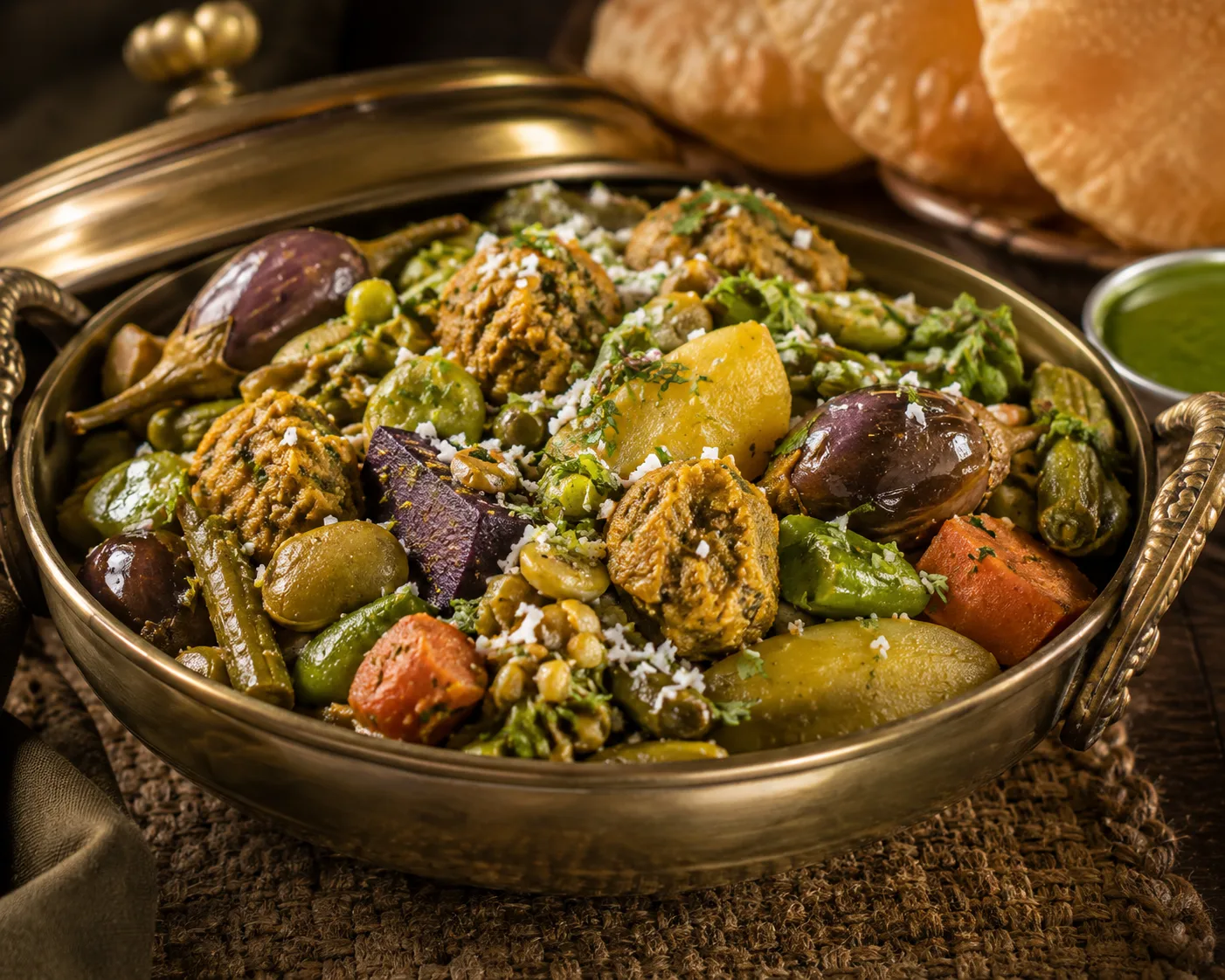
Make traditional Gujarati Undhiyu at home with mixed winter vegetables, flavorful coconut masala and delicious methi muthiya. Perfect for festivals and family meals.
Undhiyu is a traditional Gujarati mixed vegetable dish, especially popular during the winter season and festive occasions such as Uttarayan. It is made with a variety of vegetables including Surti papdi, tuver lilva, purple yam, sweet potato, baby potatoes, baby eggplants and raw banana.
The vegetables are cooked slowly with a flavorful mixture of fresh coconut, coriander, peanuts, sesame seeds and aromatic spices. Methi muthiya adds a delicious texture and traditional flavor to the dish.
Traditional Undhiyu is associated with an old method of cooking in an earthen pot placed upside down, while modern home versions are commonly prepared in a pressure cooker or heavy-bottomed pot.
Follow along step-by-step.
Wash all the vegetables thoroughly. Peel the purple yam and sweet potato. Cut the purple yam into medium-sized cubes. Cut the sweet potato into medium pieces. Peel the raw banana and cut it into thick pieces. Keep the baby potatoes whole or cut them into halves if they are large. Make a deep cross-shaped cut in the baby eggplants without cutting them completely into pieces. Keep all the vegetables ready.
Add grated coconut to a mixing bowl. Add chopped coriander leaves. Add roasted peanuts. Add white sesame seeds. Add coriander powder and cumin powder. Add turmeric powder and red chili powder. Add ginger-green chili paste. Add chopped green garlic if using. Add lemon juice. Add sugar or jaggery. Add salt and oil. Mix everything well. The masala should be moist enough to coat and stuff the vegetables. Coconut, sesame, peanuts and fresh herbs are common elements in traditional Undhiyu masala.
Take each baby eggplant with the cross-shaped cut. Fill the cut with some prepared Undhiyu masala. Press the eggplant gently so the masala stays inside. Repeat with all the baby eggplants. Keep them aside.
If using small potatoes, make a small cross-shaped cut on each potato. Fill the cuts with the prepared masala. Keep the stuffed potatoes aside. Do not throw away the remaining masala because it will be used later while cooking the Undhiyu.
Take a large mixing bowl. Add finely chopped fresh fenugreek leaves. Add besan. Add whole wheat flour. Add semolina or rava. Add ginger-green chili paste. Add turmeric powder and red chili powder. Add carom seeds and sesame seeds. Add sugar, lemon juice and salt. Add oil. Mix everything well.
Mix all the ingredients using your hands. Add a very small amount of water only if required. Make a soft dough. The dough should not be too sticky or too wet.
Grease your palms lightly with oil. Take a small portion of the dough. Shape it into a small oval or round dumpling. Repeat with the remaining dough. Keep all the prepared Muthiya aside.
Heat oil in a deep pan over medium heat. Once the oil is moderately hot, carefully add the Muthiya. Fry them until they become golden brown and lightly crispy. Do not fry them over very high heat because they may brown quickly without cooking properly inside. Remove the fried Muthiya and place them on a plate. Methi muthiya is a traditional component of Undhiyu and can be fried or prepared with lower-oil alternatives.
Heat 2 tablespoons of oil in a large heavy-bottomed pot or pressure cooker. Add mustard seeds. Allow them to crackle. Add cumin seeds. Add carom seeds. Add asafoetida. Add curry leaves. Sauté for a few seconds until aromatic.
Add Surti papdi to the pot. Add tuver lilva. Add green peas. Mix gently. Add a small pinch of salt. Cook for 2 to 3 minutes.
Add the cubed purple yam. Add sweet potato. Add raw banana pieces. Add any remaining Undhiyu masala. Mix gently so the vegetables are coated with the masala.
Place the stuffed baby potatoes over the vegetable layer. Place the stuffed baby eggplants on top. Try not to stir aggressively because the stuffed vegetables can break. Traditional and modern versions of Undhiyu commonly use layered mixed vegetables and stuffed small eggplants or potatoes.
Pour water slowly from the sides of the pot. Do not pour too much water directly over the stuffed vegetables. Cover the pot with a lid. Cook over low heat for about 20 to 30 minutes. Check occasionally and add a little more water only if needed. Lift the vegetables gently from the bottom instead of stirring aggressively. Slow cooking helps the vegetables absorb the masala flavors.
Check whether the potatoes, purple yam and sweet potato are cooked. The vegetables should be soft but should still hold their shape. Do not overcook the vegetables.
Once the vegetables are almost cooked, add the fried Methi Muthiya. Place them gently on top. Add a few tablespoons of water if the mixture looks too dry. Cover the pot again. Cook on low heat for another 5 to 7 minutes. This allows the Muthiya to absorb the flavors of the Undhiyu.
Turn off the heat. Allow the Undhiyu to rest for 5 to 10 minutes. This helps the flavors combine properly.
Transfer the prepared Undhiyu carefully to a serving bowl. Garnish with chopped coriander leaves. Sprinkle fresh grated coconut if desired. Serve hot with puri, thepla or bajra rotla. Undhiyu is commonly served with puri and is especially associated with Gujarati winter and festival meals.
Prepare all vegetables before starting the final cooking process.
Use fresh seasonal vegetables for the best traditional flavor.
Do not add too much water because Undhiyu should not become watery.
Cook on low heat so the vegetables cook slowly and absorb the masala.
Avoid stirring aggressively because baby eggplants and potatoes can break.
Add the Methi Muthiya near the end so they absorb flavor without becoming too soft.
Adjust sugar, jaggery, lemon and chili according to your preferred sweet, tangy and spicy balance.
Allow the Undhiyu to cool completely before storing.
Transfer leftovers to an airtight container.
Refrigerate for up to 3 days.
Reheat slowly over low heat with a small amount of water if required.
Stir gently while reheating to keep the vegetables intact.
Fresh Muthiya can be added while reheating leftovers for better texture.
Serve hot with Gujarati puri.
Serve with thepla.
Serve with bajra rotla.
Enjoy with Gujarati kadhi.
Serve with jalebi during festive meals.
Add sliced onions and lemon on the side.
Undhiyu is also popular as part of festive and family lunch spreads.
Undhiyu is a traditional Gujarati mixed vegetable dish with several regional variations.
Surti Undhiyu, Kathiyawadi Undhiyu and traditional Matla-style preparations can differ in vegetables and cooking methods.
The recipe is especially popular during the winter season when many of its traditional vegetables are readily available.
Green garlic can be added for a more traditional seasonal Gujarati flavor.
No reviews yet. Be the first to review this recipe!
Undhiyu is made with a mixture of seasonal vegetables, flavorful coconut-based masala and Methi Muthiya.
Many of the vegetables traditionally used in Undhiyu are seasonal winter vegetables.
Yes, but Methi Muthiya gives traditional Undhiyu its distinctive flavor and texture.
Yes. Depending on availability, vegetables such as purple yam, sweet potato, potatoes, raw banana, eggplant, beans and peas can be adjusted.
Yes. The masala can be prepared ahead, and the finished dish can be refrigerated and gently reheated.
Undhiyu is delicious with puri, thepla, bajra rotla or Gujarati kadhi
Make a classic Italian Margherita Pizza at home with a crispy homemade crust, rich tomato sauce, fresh mozzarella and fragrant basil.
View RecipeMake delicious Mexican Vegetarian Enchiladas at home with tortillas filled with beans, vegetables and cheese, baked in a rich homemade enchilada sauce.
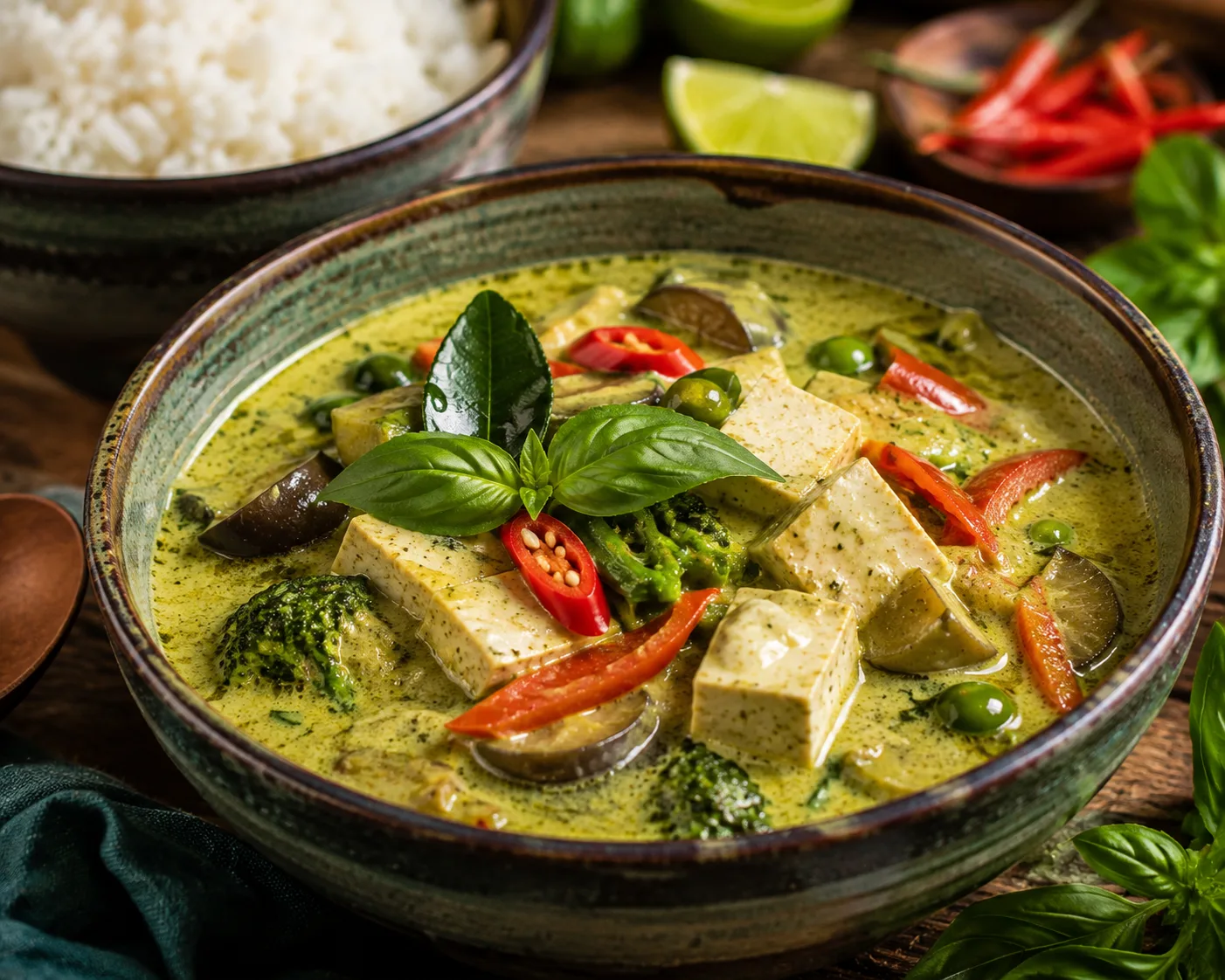
View RecipeMake creamy and aromatic Thai Green Curry at home with green curry paste, coconut milk, vegetables and fragrant Thai herbs.
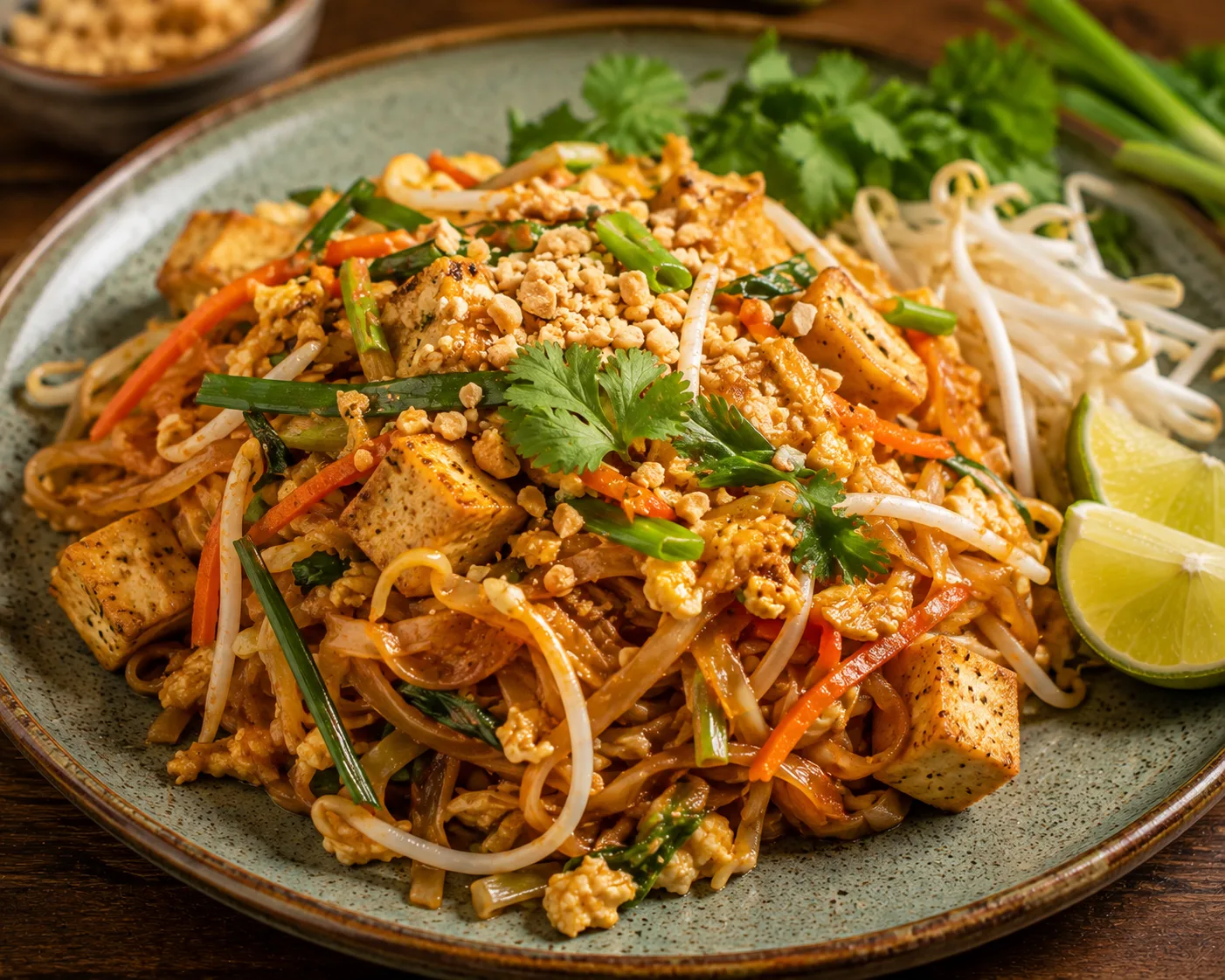
View RecipeMake delicious Thai Vegetable Pad Thai at home with rice noodles, colorful vegetables, tofu, peanuts and a sweet, tangy and savory sauce.
View Recipe