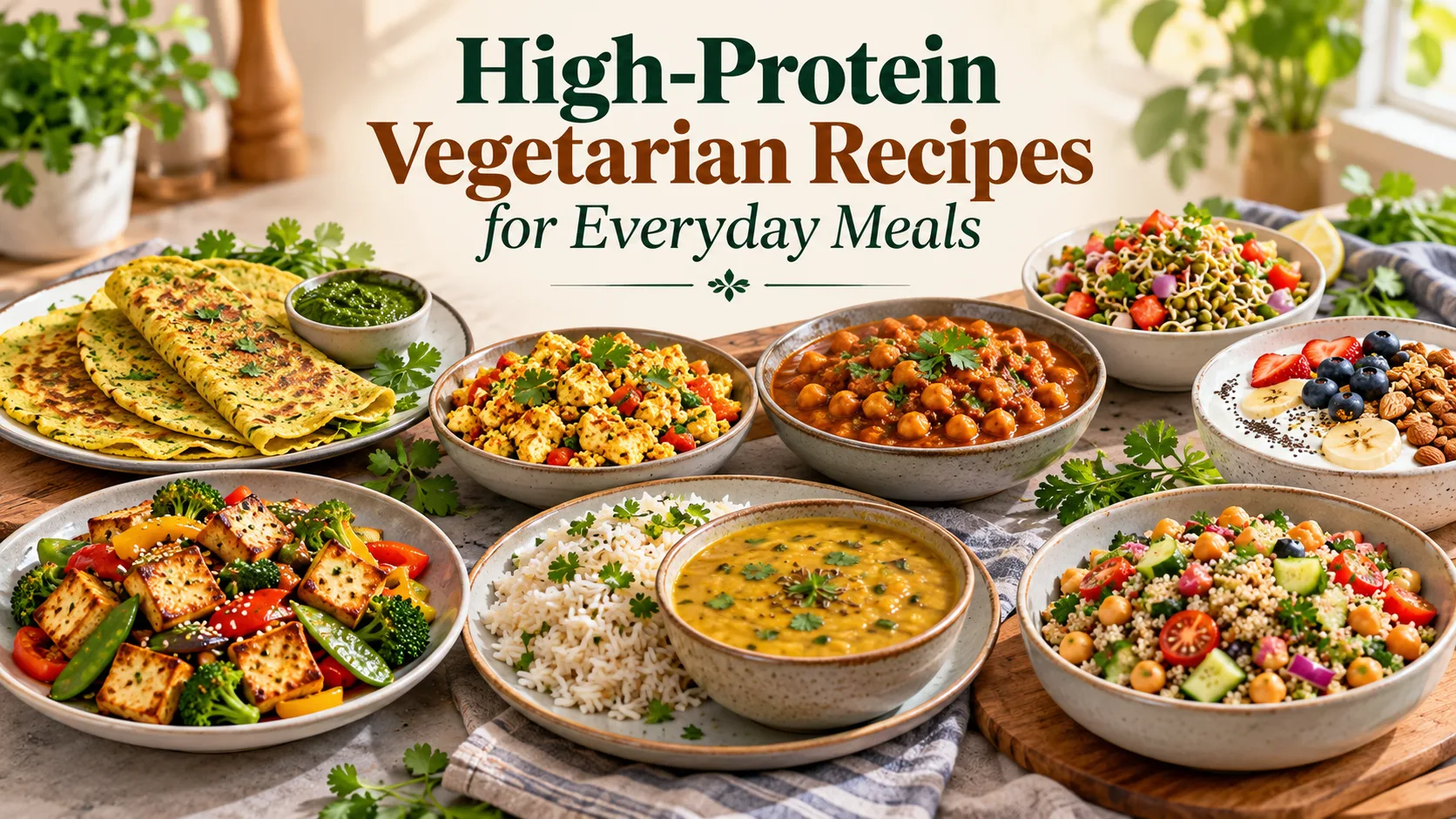
Best Vegetarian Protein Sources:High-Protein Foods for a Healthy Diet
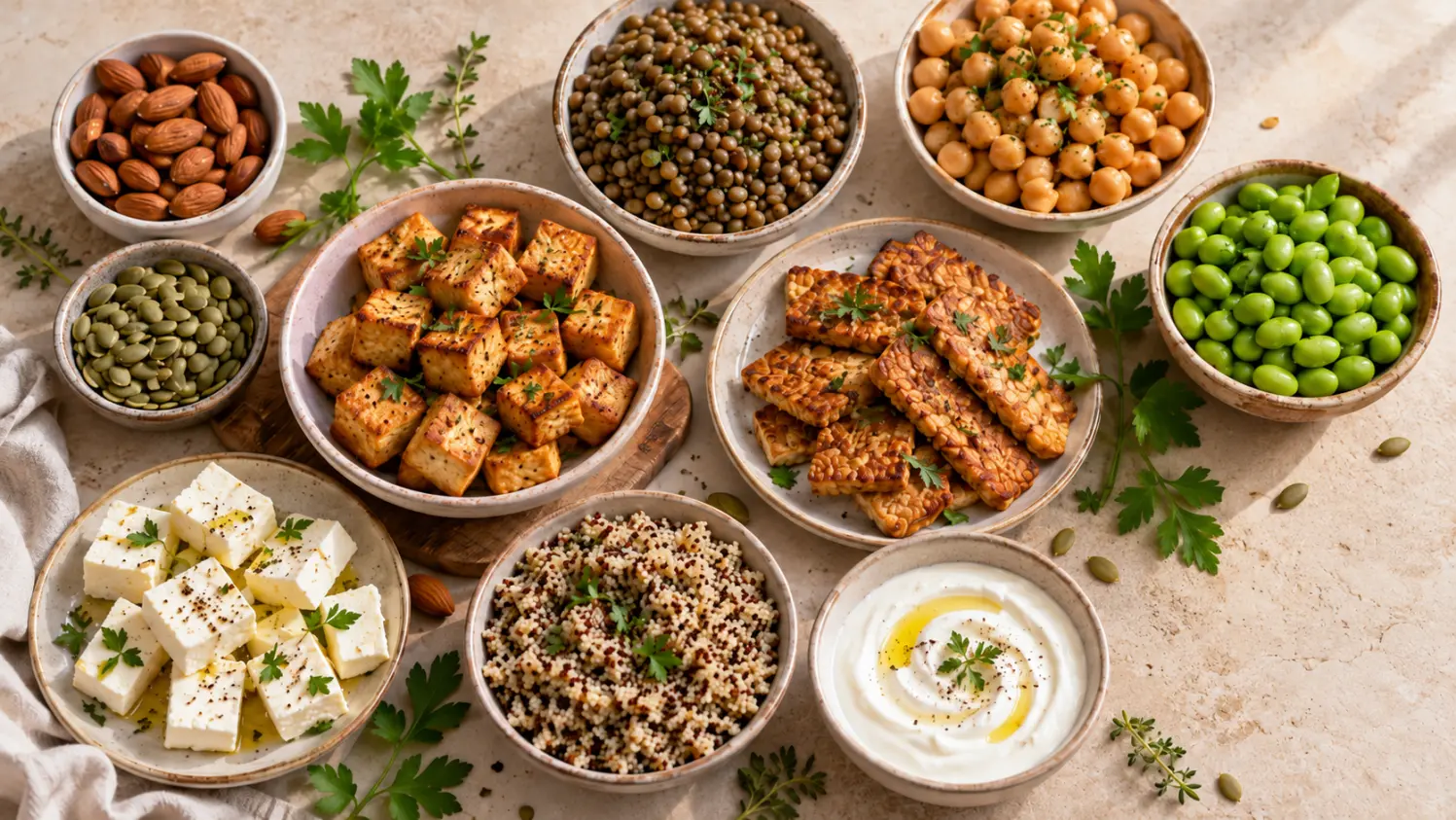
Protein is an essential nutrient that helps your body build and repair tissues, maintain muscles, and produce important enzymes and hormones. Although meat and fish are familiar sources of protein, there are plenty of nutritious vegetarian alternatives.
Whether you follow a vegetarian diet, eat mostly plant-based meals, or simply want to reduce meat consumption, foods such as lentils, chickpeas, tofu, tempeh, dairy products, and seeds can help you meet your daily protein needs.
In this guide, we'll explore 15 of the best vegetarian protein sources, their approximate protein content, and simple ways to include them in your meals.
Top 15 Vegetarian Protein Sources
The following table compares protein-rich vegetarian foods using practical serving sizes.
| Food | Serving size | Approx. protein |
|---|---|---|
| Tempeh | 100 g | 19–20 g |
| Firm tofu | 100 g | 10–17 g |
| Edamame | 100 g, cooked | 12 g |
| Lentils (dal) | 1 cup, cooked | 18 g |
| Chickpeas (chana) | 1 cup, cooked | 14–15 g |
| Black beans | 1 cup, cooked | 15 g |
| Seitan | 100 g | 20–25 g |
| Soy milk | 1 cup (240 ml) | 7–9 g |
| Plain Greek yogurt | 170 g | 15–18 g |
| Cottage cheese | 100 g | 11–13 g |
| Paneer | 100 g | 15–20 g |
| Pumpkin seeds | 30 g | 8–9 g |
| Peanuts | 30 g | 7–8 g |
| Quinoa | 1 cup, cooked | 8 g |
Protein amounts are approximate. They vary with brand, recipe, moisture content, and preparation method. For legumes and quinoa, values refer to cooked food, not dry weight.
1. Tempeh
Tempeh is a traditional fermented soybean product with a firm texture and nutty flavor. It is among the most protein-dense commonly available plant-based foods.
Protein: Approximately 19–20 grams per 100 grams.
Tempeh also provides dietary fiber and minerals such as iron. Its firm texture makes it suitable for grilling, stir-frying, and adding to vegetable bowls.
How to eat it: Slice tempeh, season it with herbs and spices, and cook it in a pan. Serve alongside brown rice and vegetables.
2. Tofu
Tofu is made from soybeans and is one of the most versatile vegetarian protein sources. It works well in both savory dishes and certain desserts.
Protein: Approximately 10–17 grams per 100 grams of firm tofu, depending on the product.
Tofu provides all nine essential amino acids. Calcium-set tofu can also contribute meaningful dietary calcium.
How to eat it: Add tofu to stir-fries, soups, salads, sandwiches, or a tofu bhurji.
3. Edamame
Edamame are young soybeans typically served steamed or boiled.
Protein: Approximately 12 grams per 100 grams cooked.
Edamame provides protein, fiber, folate, and other nutrients. It is especially useful as a quick snack or a topping for grain bowls.
How to eat it: Steam edamame and season lightly, or add the shelled beans to salads.
4. Lentils (Dal)
Lentils are affordable, nutritious, and popular in cuisines worldwide, particularly in India.
Protein: Approximately 18 grams per cooked cup.
Lentils also contain fiber, folate, and iron, making them an excellent everyday food for vegetarians.
How to eat them: Prepare dal, lentil soup, khichdi, or lentil salads. Combining lentils with whole grains is a practical way to create a varied meal.
5. Chickpeas (Chana)
Chickpeas are a staple ingredient in Indian, Mediterranean, and Middle Eastern cooking.
Protein: Approximately 14–15 grams per cooked cup.
Along with protein, chickpeas contain fiber and several important minerals.
How to eat them: Use chickpeas to make chana masala, hummus, roasted snacks, or salads.
6. Black Beans
Black beans are commonly eaten in North American and Latin American dishes.
Protein: Approximately 15 grams per cooked cup.
Black beans provide fiber and plant-based protein, making them a useful addition to balanced vegetarian meals.
How to eat them: Add black beans to burritos, rice bowls, soups, or vegetable salads.
7. Seitan
Seitan is a concentrated wheat-gluten food often used as a meat alternative.
Protein: Approximately 20–25 grams per 100 grams, depending on preparation.
Its dense, chewy texture makes it convenient for sandwiches, stir-fries, and meat-free recipes.
Important: Seitan is unsuitable for people with celiac disease or wheat allergy.
8. Soy Milk
Fortified soy milk is a useful dairy-free alternative, particularly for people following vegan diets.
Protein: Approximately 7–9 grams per cup (240 ml).
Unsweetened fortified soy milk can also provide calcium, vitamin D, and vitamin B12, depending on the brand and country.
How to use it: Add soy milk to oatmeal, smoothies, breakfast cereals, or coffee.
9. Greek Yogurt
Greek yogurt is a convenient protein source for vegetarians who consume dairy.
Protein: Approximately 15–18 grams per 170-gram serving.
It also contributes calcium, and some products contain live bacterial cultures.
How to eat it: Pair plain Greek yogurt with fruit, oats, and seeds, or use it in dips.
10. Cottage Cheese
Cottage cheese is a fresh dairy product that provides a substantial amount of protein.
Protein: Approximately 11–13 grams per 100 grams.
It can make a quick protein-rich breakfast, snack, or light meal.
How to eat it: Serve cottage cheese with vegetables, whole-grain toast, or fruit.
11. Paneer
Paneer is popular in Indian vegetarian diets and can help increase protein intake.
Protein: Approximately 15–20 grams per 100 grams.
Paneer also provides calcium, although its saturated fat content varies by preparation and milk type.
How to eat it: Try paneer bhurji, grilled paneer, or paneer with vegetables. People seeking to reduce saturated fat can consider portions and lower-fat alternatives.
Note: Paneer and Western-style cottage cheese are different dairy products, so their nutrient values should not be used interchangeably.
12. Pumpkin Seeds
Pumpkin seeds are a convenient source of plant protein, magnesium, zinc, and unsaturated fats.
Protein: Approximately 8–9 grams per 30 grams.
How to eat them: Sprinkle pumpkin seeds on yogurt, salads, porridge, or soups.
Because seeds are energy-dense, moderate portions are often practical.
13. Peanuts
Peanuts are an affordable, widely available protein-rich food.
Protein: Approximately 7–8 grams per 30 grams.
They also contain unsaturated fats and dietary fiber.
How to eat them: Enjoy a small handful of unsalted peanuts, add them to meals, or use peanut butter without excessive added sugar.
Avoid peanuts if you have a peanut allergy.
14. Quinoa
Quinoa is a versatile seed commonly prepared like a grain.
Protein: Approximately 8 grams per cooked cup.
Although quinoa has less protein per serving than tofu or tempeh, it provides all nine essential amino acids and contributes fiber and minerals.
How to eat it: Use quinoa in vegetable bowls, salads, or as an alternative to rice.
How Much Protein Do Vegetarians Need Each Day?
A commonly used reference intake for generally healthy adults is approximately 0.8 grams of protein per kilogram of body weight per day. This is a baseline estimate rather than an ideal target for everyone.
| Body weight | Approximate daily protein |
|---|---|
| 50 kg | 40 g |
| 60 kg | 48 g |
| 70 kg | 56 g |
| 80 kg | 64 g |
| 90 kg | 72 g |
These amounts are illustrative. Requirements vary with age, activity level, pregnancy, medical conditions, and other factors. Some people, including athletes and certain older adults, may benefit from higher intakes.
Can Vegetarians Get Enough Protein Without Meat?
Yes. A well-planned vegetarian diet can meet protein requirements without meat or fish.
The key is to eat enough food overall and regularly include a variety of protein sources such as soy products, beans, lentils, nuts, seeds, and whole grains. Eggs and dairy can add protein for people who consume them.
It is not necessary to combine complementary plant proteins in the same meal. Eating varied protein sources throughout the day can provide the essential amino acids your body needs.
Example High-Protein Vegetarian Meal Plan
Here is one illustrative day of vegetarian eating.
| Meal | Example |
|---|---|
| Breakfast | Greek yogurt, oats, pumpkin seeds and fruit |
| Lunch | Lentil dal, whole-grain roti and vegetables |
| Afternoon snack | Roasted chickpeas |
| Dinner | Tofu stir-fry, quinoa and vegetables |
Actual protein intake depends on portion sizes and food brands. People following vegan diets can replace Greek yogurt with a protein-rich fortified soy alternative.
Common Mistakes to Avoid
Relying only on vegetables: Most non-legume vegetables provide relatively small amounts of protein per serving. Include beans, lentils, tofu, soy products, and other concentrated sources.
Confusing dry and cooked weights: Dry lentils and beans have considerably more protein per 100 grams than their cooked equivalents because they absorb water.
Assuming every plant milk is high in protein: Soy milk commonly contains more protein than almond or rice milk. Always read the label.
Ignoring other nutrients: Vegetarian diets also require attention to vitamin B12, iron, zinc, calcium, iodine, and, in some circumstances, vitamin D. Vegan diets require a reliable vitamin B12 source through fortified foods or supplements.
Relying heavily on supplements: Protein powders may be convenient in certain situations, but most people can obtain sufficient protein from a well-planned diet.
Frequently Asked Questions
Which vegetarian food has the most protein?
Seitan, tempeh, firm tofu, soy products, and some dairy foods are relatively concentrated sources. The answer depends on serving size, product formulation, and whether foods are weighed raw or cooked.
What are the best vegetarian protein sources for muscle building?
Tofu, tempeh, soy products, Greek yogurt, eggs, and legumes can all contribute to muscle maintenance and growth when combined with appropriate resistance exercise and sufficient total protein and energy intake.
Which Indian vegetarian foods are high in protein?
Soy chunks, dal, rajma, chana, paneer, milk, curd, peanuts, and roasted chana are practical options. Their protein content varies significantly with portion size and preparation.
Can I get enough protein without eggs?
Yes. Lentils, beans, tofu, tempeh, soy milk, nuts, seeds, and dairy products (if consumed) can provide sufficient dietary protein without eggs.
Are plant-based proteins complete proteins?
Soy foods contain all nine essential amino acids in useful proportions. Many other plant proteins contain all essential amino acids but have relatively lower amounts of one or more. A varied diet across the day can meet overall amino acid needs.
Do vegetarians need protein supplements?
Not necessarily. Many vegetarians meet their needs through food. Supplements may be useful when dietary intake is insufficient or when advised by a qualified healthcare professional.
Final Thoughts
You do not need meat or fish to enjoy a protein-rich, nutritious diet. Vegetarian foods such as tempeh, tofu, lentils, chickpeas, beans, yogurt, paneer, nuts, and seeds offer plenty of options across different cuisines and budgets.
The most useful approach is to include protein-rich foods throughout the day, eat a wide variety of nutritious foods, and adjust your intake to your individual needs.
References and Further Reading
-
British Dietetic Association – Vegetarian, Vegan and Plant-Based Diet
-
ICMR-National Institute of Nutrition – Dietary Guidelines for Indians
Medical disclaimer: This article provides general nutrition information and is not a substitute for individualized advice from a qualified healthcare professional or registered dietitian.