Indian Spices Names in English: A Complete Guide
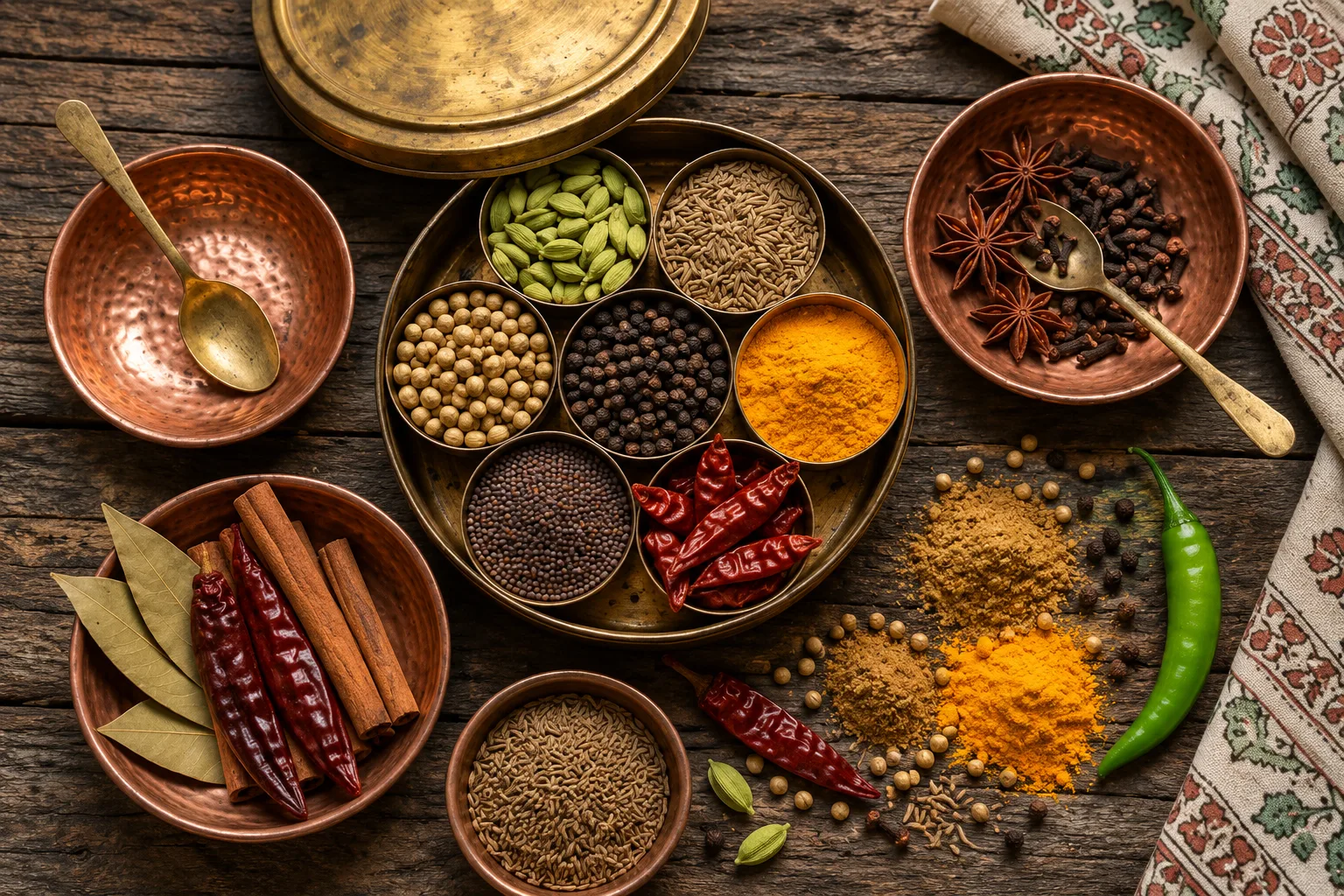
Indian cooking is known for its variety of flavours, aromas and regional food traditions. One of the most important parts of this diversity is the use of spices. From the warm aroma of cumin to the earthy flavour of turmeric, different spices help give Indian dishes their distinctive character.
If you are learning to cook Indian food, shopping for spices or trying to understand recipe instructions, knowing Indian spices names in English can make everyday cooking easier.
In this guide, you will learn the English names of common Indian spices, how they are used, how whole spices differ from powdered spices and how to store them properly.
Why Are Spices Important in Indian Cooking?
Spices contribute aroma, colour, flavour and complexity to many Indian dishes. Different regions use different combinations depending on local ingredients, traditions and cooking styles.
For example, cumin is often used in tempering, turmeric adds a distinctive colour, and cardamom is common in both sweet and savoury preparations.
Spices can be used whole, crushed or ground into powders. The right form and timing can change the flavour of a dish.
Understanding their names and uses can help beginners follow recipes more confidently and make informed choices when shopping.
Common Indian Spices Names in English
Here is a helpful reference list of spices commonly used in Indian kitchens.
| Indian name | English name | Common culinary use |
|---|---|---|
| Haldi | Turmeric | Adds colour and earthy flavour to curries and dals |
| Jeera | Cumin seeds | Used in tempering, rice dishes and spice blends |
| Rai or Sarson | Mustard seeds | Common in tempering, pickles and regional dishes |
| Dhania | Coriander seeds | Used whole or ground in curries and spice mixes |
| Kali Mirch | Black pepper | Adds sharp, warm heat to savoury dishes |
| Laung | Cloves | Used in rice dishes, gravies and aromatic spice blends |
| Dalchini | Cinnamon | Adds warm aroma to curries, rice dishes and desserts |
| Elaichi | Cardamom | Used in sweets, chai, pulao and rich gravies |
| Tej Patta | Indian bay leaf | Used to flavour rice dishes and curries |
| Hing | Asafoetida | Used in small quantities in dals and vegetable dishes |
| Methi Dana | Fenugreek seeds | Used in pickles, tempering and spice blends |
| Ajwain | Carom seeds | Common in savoury snacks and flatbreads |
| Saunf | Fennel seeds | Used in spice mixes, some curries and sweets |
| Kalonji | Nigella seeds | Used in some pickles, flatbreads and regional dishes |
| Chakri Phool | Star anise | Used in selected aromatic rice dishes and spice blends |
| Javitri | Mace | Adds a warm aroma to some rich gravies and rice dishes |
| Jaiphal | Nutmeg | Used in small amounts in sweets and selected savoury dishes |
| Kashmiri Mirch | Kashmiri chilli powder | Commonly used for red colour and a relatively mild chilli flavour |
Important: Regional names and spellings can vary. Some English names also refer to related but different plants, so check the label when buying packaged spices.
Whole Spices vs Ground Spices
Spices are commonly sold whole or in powdered form. Both can be useful, but they behave differently in cooking.
Whole Spices
Whole spices are generally used to add aroma during cooking. They may be added to hot oil, simmered in a gravy or cooked with rice.
Examples include cumin seeds, mustard seeds, cloves, cinnamon and cardamom.
Whole spices often retain their aroma longer during storage than ground spices, provided they are kept dry and protected from air.
Ground Spices
Ground spices are powders made from dried spices. They are convenient because they can be measured and added directly to many dishes.
Examples include turmeric powder, coriander powder, cumin powder and chilli powder.
Ground spices release their flavour quickly, so the timing of addition can affect the final result. Excessive heat may cause some powders to burn and develop an unpleasant taste.
Cooking tip: Follow the method of the recipe you are using. Whole and ground versions of the same spice may not be interchangeable in equal quantities.
Which Indian Spices Are Used Most Often?
Some spices appear regularly in everyday Indian cooking, although usage varies between households and regions.
Turmeric
Turmeric is known for its bright yellow colour and earthy flavour. It is commonly used in dals, vegetable curries and many other savoury dishes.
Cumin
Cumin has a warm, earthy aroma. Whole cumin seeds are often used in tempering, while ground cumin is used in spice mixtures and seasonings.
Coriander
Coriander seeds have a citrusy, earthy aroma. Ground coriander is widely used in Indian curries, while fresh coriander leaves are often used as a garnish.
Mustard Seeds
Mustard seeds are frequently used in tempering. Their flavour and preparation vary by type and regional cooking tradition.
Black Pepper
Black pepper adds a sharp, warm flavour. It is used in spice blends, soups, curries and some traditional preparations.
Cardamom
Cardamom has a distinctive fragrant aroma. Green cardamom is common in chai and sweets, while it also appears in some savoury rice dishes.
These spices form part of many Indian spice collections, but there is no single combination that is required for every Indian dish.
What Are Indian Masalas?
The word masala generally refers to a spice mixture or seasoning. Masalas may be made from one spice or from a combination of several spices, depending on the dish.
Some familiar examples include:
-
Garam masala: An aromatic blend used in many North Indian-style dishes.
-
Chai masala: A spice mixture used to flavour tea.
-
Chole masala: A seasoning blend associated with chickpea curry.
-
Sambar powder: A spice blend used in many South Indian sambar preparations.
-
Pav bhaji masala: A seasoning blend associated with Mumbai-style pav bhaji.
The ingredients and proportions of these blends can vary by brand, region and household. Their names usually indicate the type of dish or preparation for which they are commonly used.
How to Choose Good-Quality Spices
Choosing suitable spices can improve your cooking experience. Here are a few practical points to consider.
Check the aroma
Many spices have a distinctive natural smell. A noticeably weak aroma may indicate that a spice has lost some of its freshness, although aroma alone cannot establish food safety.
Inspect the packaging
Choose products with intact packaging and clear labelling. Avoid packets that appear damaged, damp or improperly sealed.
Check the date
Review the best-before information and follow the manufacturer's storage instructions.
Buy suitable quantities
If you use a particular spice only occasionally, buying a smaller pack can help you use it while its aroma is still fresh.
Consider whole spices
Whole spices may retain their aroma longer than ground versions. Grinding small amounts when needed can be useful for spices that you use frequently.
How to Store Indian Spices Properly
Spices can lose aroma and flavour when exposed to heat, light, air and moisture.
Follow these practical storage tips:
-
Store spices in clean, dry, tightly closed containers.
-
Keep them away from direct sunlight and sources of heat, such as the area immediately beside a stove.
-
Use dry spoons when handling powdered spices.
-
Avoid mixing fresh spices into an old container without cleaning it.
-
Keep original labels or clearly identify each container to prevent confusion.
-
Follow the storage directions printed on packaged spice products.
If a spice develops visible mould, unusual dampness or signs of contamination, discard it rather than trying to salvage it.
Common Mistakes When Using Indian Spices
Adding powdered spices to excessively hot oil
Some powdered spices can burn quickly when exposed to intense heat. Follow the cooking method and add them at the appropriate stage.
Using too much of a strong spice
Cloves, asafoetida, nutmeg and some other spices can dominate a dish when used excessively. Start with the quantity specified in a reliable recipe.
Confusing similar names
Regional languages sometimes use different names for related ingredients. Confirm the product label or a reliable reference before substituting a spice.
Storing spices near heat or moisture
Warm, humid conditions can affect spice quality. Choose a cool, dry storage location.
Assuming every Indian dish uses the same spices
Indian cuisine includes many regional traditions. A South Indian sambar, a Gujarati vegetable dish and a Punjabi curry may use quite different spice combinations.
Frequently Asked Questions
What are the common Indian spices names in English?
Common examples include turmeric, cumin, coriander, mustard seeds, black pepper, cardamom, cinnamon, cloves and fenugreek seeds.
What is jeera called in English?
Jeera is called cumin. Both whole cumin seeds and ground cumin are used in Indian cooking.
What is haldi called in English?
Haldi is called turmeric. It is commonly used in savoury dishes for its colour and distinctive earthy flavour.
What is dhania called in English?
Dhania commonly refers to coriander. In a spice list, it may refer to coriander seeds or ground coriander; fresh coriander leaves are a different form of the same plant.
What is garam masala?
Garam masala is a blend of aromatic spices used in many Indian dishes. Its composition varies between regions, brands and households.
How can I keep spices fresh for longer?
Store spices in tightly closed containers away from direct sunlight, heat and moisture. Buy quantities that suit your usage and follow the manufacturer's storage advice.
Are whole spices better than powdered spices?
Neither is always better. Whole spices are useful for tempering and slow cooking, while ground spices are convenient for seasoning. The best choice depends on the recipe and desired flavour.
Final Thoughts
Learning Indian spices names in English can make cooking, grocery shopping and following recipes easier. Understanding the differences between whole spices, ground spices and masala blends also helps you choose suitable seasonings for different dishes.
Start by becoming familiar with commonly used spices such as cumin, turmeric, coriander, mustard seeds and cardamom. As you explore more Indian cuisines, you will discover how different combinations create distinctive regional flavours.
For more ingredient guides, food facts and practical cooking tips, explore the informational articles on ApnaRecipe.