Janmashtami Recipes for Fasting and Bhog
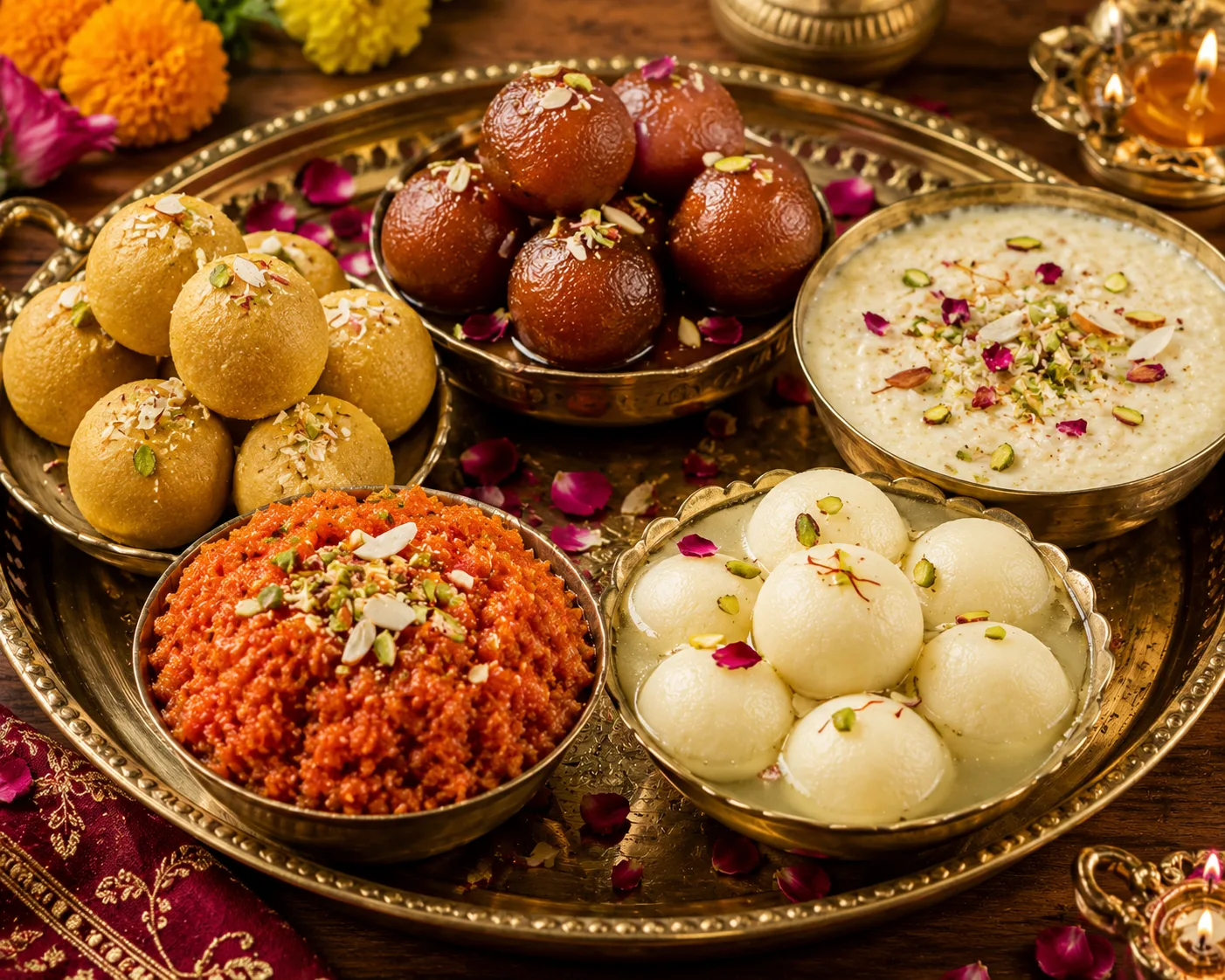
Janmashtami has a different kind of excitement around food. The kitchen usually starts getting busy well before the evening prayers, with milk being chilled, fruits being washed, makhana being roasted and sweets being prepared for the bhog.
For many families, Janmashtami is also a fasting day. That means the usual rice, wheat, lentils and many everyday ingredients stay away from the kitchen. Instead, ingredients such as sabudana, potatoes, makhana, sama rice, kuttu flour, singhara flour, milk, yogurt and fruits become the stars of the meal.
The nice thing is that fasting food doesn't have to be boring. With a little planning, you can make a complete Janmashtami meal that feels festive, comforting and homemade.
Here are 20 easy recipes you can make for fasting and bhog this Janmashtami.
1. Sabudana Khichdi
Sabudana khichdi is probably one of the first dishes people think about when Janmashtami fasting begins. Soft sabudana, crunchy roasted peanuts and potatoes come together with a little cumin and green chilli to make a simple but filling meal.
The only part that needs a little attention is soaking the sabudana. If it absorbs too much water, the khichdi can turn sticky. Once you get the soaking right, the actual cooking takes just a few minutes.
Serve it hot with plain yogurt.
2. Sabudana Vada
There is something special about biting into a freshly cooked sabudana vada. The outside is crisp, while the inside stays soft with little bits of peanut and potato.
These are especially nice for an evening Janmashtami meal. You can serve them with yogurt or a homemade vrat-friendly chutney.
If you are making a large batch, don't overcrowd the pan while frying. That helps the vadas cook evenly and become properly crisp.
3. Sama Rice Khichdi
Sama rice, also known as barnyard millet, is a useful ingredient to keep in the kitchen during fasting days. It cooks quickly and makes a comforting khichdi with potatoes, peanuts and simple spices.
It is one of those dishes that doesn't need much preparation. A bowl of warm sama rice khichdi with yogurt can easily become a complete fasting lunch.
4. Aloo Jeera
Sometimes the simplest food is the one everyone finishes first.
Aloo jeera is made with boiled potatoes tossed in ghee, cumin seeds and green chilli. Add a little coriander and rock salt, and you have a quick side dish ready in minutes.
It goes particularly well with kuttu puri or singhara roti.
5. Kuttu Ki Puri
Kuttu ki puri is a Janmashtami favourite in many homes. Buckwheat flour is mixed with mashed potato and fasting-friendly seasonings before being rolled and fried.
The dough can be slightly tricky because kuttu flour doesn't behave like wheat flour. Adding boiled potato helps hold everything together.
Freshly made kuttu puris with vrat wale aloo make a satisfying festive meal.
6. Singhara Atta Roti
If you don't want to deep-fry your fasting meal, singhara atta roti is a good alternative.
The dough is prepared with water and usually some boiled potato to make it easier to handle. Cook the rotis on a hot tawa and finish them with a little ghee.
They are best eaten hot with potato curry and yogurt.
7. Vrat Wale Aloo
You don't need a long list of ingredients to make good vrat wale aloo. Potatoes, cumin, green chilli, coriander and a few fasting-friendly spices are enough.
The potatoes absorb the flavours beautifully, especially when they are cooked for a few extra minutes after adding the spices.
This is an easy recipe to make when you want something homemade but don't have much time.
8. Makhana Kheer
Makhana kheer is one of my favourite choices for a festive fasting menu. Roasted makhana becomes soft as it cooks in milk, while cardamom gives the kheer that familiar Indian dessert aroma.
You can add chopped almonds, pistachios or cashews on top.
It also works beautifully as part of a Janmashtami bhog because it feels festive without being difficult to prepare.
9. Sabudana Kheer
If you already have sabudana at home for khichdi, save some for dessert.
Sabudana kheer is made by slowly cooking soaked tapioca pearls in milk until they become soft and translucent. Sugar and cardamom are usually all you need, although a few chopped nuts make it even better.
Serve it warm or chilled, depending on what your family prefers.
10. Rajgira Halwa
Rajgira halwa is quick enough to make when guests are already arriving.
Rajgira flour is roasted in ghee and then cooked with sugar and liquid until it reaches a soft halwa-like consistency. Cardamom and chopped nuts add a lovely finishing touch.
It is warm, comforting and particularly nice after a day of fasting.
11. Dhaniya Panjiri
Dhaniya panjiri has a special place in Janmashtami celebrations, particularly in North Indian households.
Roasted coriander powder is combined with ghee, sugar and nuts to make a fragrant mixture that is often prepared as prasad. The aroma of roasted coriander and ghee itself can make the kitchen feel like a festival.
Prepare it in advance and keep it ready for the bhog.
12. Makhan Mishri
You cannot really talk about Krishna Janmashtami without mentioning makhan mishri.
The combination is incredibly simple—fresh white butter served with mishri. But its connection with Krishna makes it one of the most loved offerings for the festival.
If you have homemade butter, even better. Serve it fresh as part of the bhog.
13. Panchamrit
Panchamrit is traditionally prepared during puja using ingredients such as milk, yogurt, honey, ghee and sugar.
It doesn't require cooking, so it is easy to prepare just before the Janmashtami puja.
Different families have their own way of preparing panchamrit, so it is perfectly fine to follow the recipe and proportions traditionally used in your home.
14. Coconut Ladoo
Coconut ladoos are a good choice when you want a homemade sweet without spending hours in the kitchen.
Grated coconut is cooked with milk or condensed milk and a little cardamom until the mixture becomes thick. Once it cools enough to handle, roll it into small ladoos.
They look lovely on a bhog plate and are easy to share with family afterwards.
15. Homemade Peda
Soft milk pedas are another classic choice for Janmashtami.
They take a little patience because the milk mixture needs to be cooked until it thickens. But once the mixture is ready, shaping the pedas is simple.
A little cardamom gives them that traditional mithai-shop flavour, while a few saffron strands can make them feel extra special for the festival.
16. Aloo Tikki
Aloo tikki can turn a simple fasting menu into something everyone looks forward to.
Boiled potatoes are mixed with roasted peanuts, green chilli and fasting-friendly spices, shaped into small patties and cooked until golden.
Serve them hot with yogurt or a chutney that fits your fasting rules.
17. Roasted Makhana
Not every fasting recipe needs to involve a lot of cooking.
Makhana roasted with a little ghee and rock salt makes a quick snack that you can prepare in advance. You can also add a little cumin powder for extra flavour.
Keep a container of roasted makhana ready if you know you will be spending most of the day preparing for the evening celebration.
18. Fruit Chaat
After eating rich fasting food, a bowl of fresh fruit can be a welcome change.
Use whatever seasonal fruits you have at home—banana, apple, pomegranate, papaya, grapes or melon. Cut everything into bite-sized pieces and add the seasonings permitted by your fasting tradition.
It is fresh, colourful and takes almost no time to prepare.
19. Sweet Lassi
A chilled glass of sweet lassi is especially enjoyable after a long fasting day.
Whisk or blend thick yogurt with milk, sugar and cardamom until smooth. Keep it chilled and give it another quick stir before serving.
You can garnish it with a few chopped pistachios or almonds.
20. Thandai
A homemade glass of thandai can make the Janmashtami menu feel even more festive.
Milk is blended with nuts, cardamom, saffron and aromatic spices to create a rich, refreshing drink. Prepare it a few hours before serving and let it chill properly in the refrigerator.
The flavours become much better when the mixture gets enough time to rest.
A Simple Janmashtami Bhog Plate
You don't have to prepare all 20 recipes. In fact, most families will find it much easier to choose four or five dishes and make them well.
A simple bhog plate could include:
- Makhan mishri
- Panchamrit
- Dhaniya panjiri
- Makhana kheer
- Kuttu puri
- Vrat wale aloo
- A seasonal fruit
If you are keeping the menu lighter, you could simply prepare makhan mishri, fruits, panchamrit, panjiri and one homemade sweet.
The food is important, but the feeling behind the offering matters just as much.
A Few Tips for Janmashtami Cooking
Soak sabudana carefully. This is probably the most common mistake when making sabudana dishes. Don't add too much water. The pearls should become soft without turning mushy.
Roast makhana before using it. A few minutes of roasting makes a big difference to both flavour and texture.
Keep fasting ingredients separate. If several people in your family are fasting, it is easier to keep the vrat ingredients and utensils separate from regular cooking ingredients.
Make sweets ahead of time. Kheer, panjiri, ladoos and pedas can often be prepared earlier, leaving you with less work around puja time.
Follow your family tradition. Fasting rules are not exactly the same everywhere. Some families use rock salt, while others avoid salt completely. Some ingredients may be allowed in one tradition and avoided in another.
Final Thoughts
Janmashtami cooking doesn't need to be complicated. A few familiar ingredients can turn into a beautiful spread when they are prepared with a little care.
Whether your family spends the day fasting, prepares a large bhog, or simply makes a few traditional dishes for the evening celebration, recipes like sabudana khichdi, makhana kheer, kuttu puri, dhaniya panjiri and makhan mishri fit naturally into the occasion.
And perhaps that's what makes festival food so special. These are not just recipes that appear once a year. They are the flavours many of us remember from childhood—the smell of ghee in the kitchen, a bowl of homemade kheer cooling on the counter, and everyone waiting for the puja to finish before finally sitting down together.
Wishing you and your family a very Happy Janmashtami!
Note: Fasting practices vary between families and regions. Please follow the ingredients and fasting rules traditionally followed in your household.