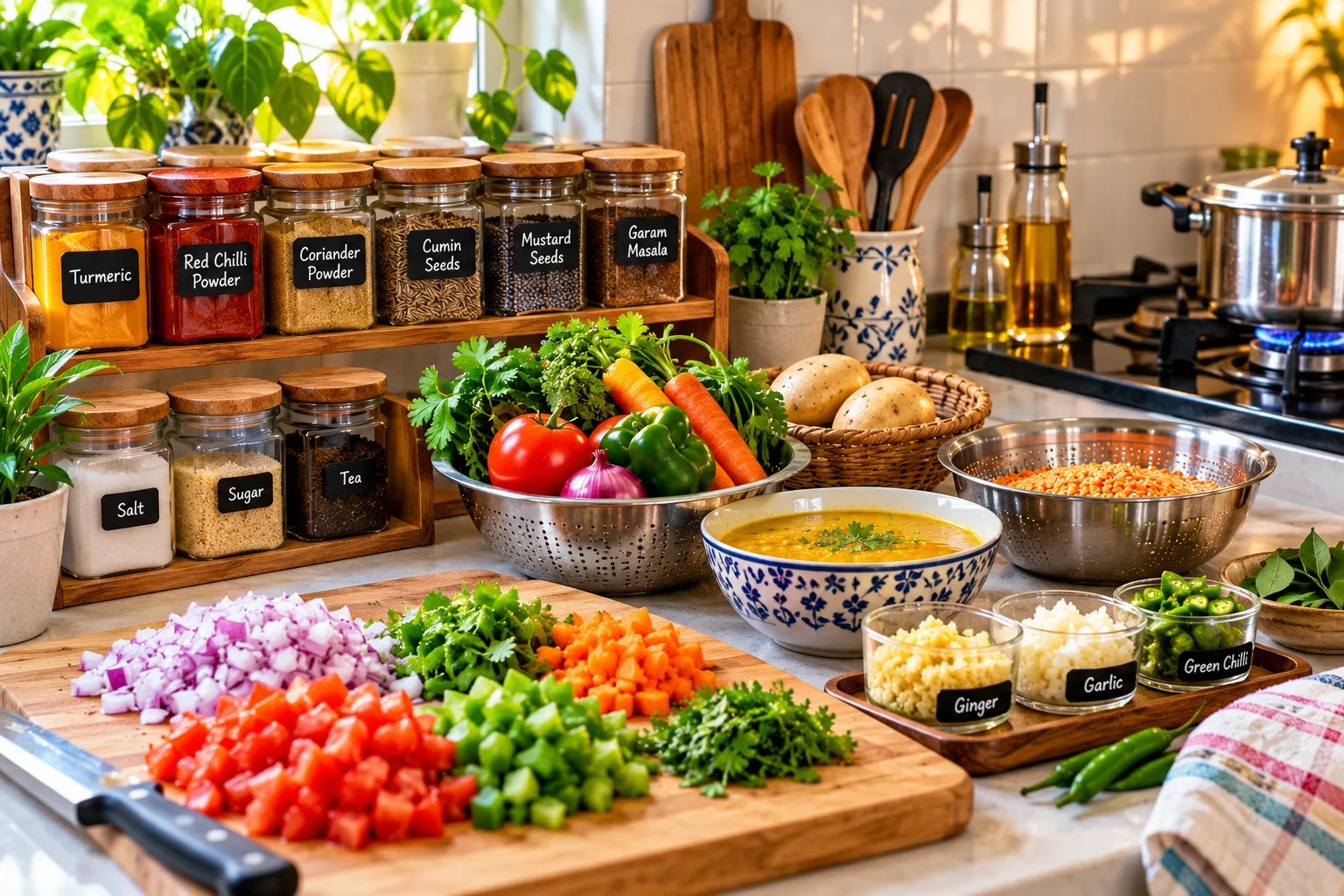
How to Store Indian Spices: Tips to Keep Them Fresh Longer
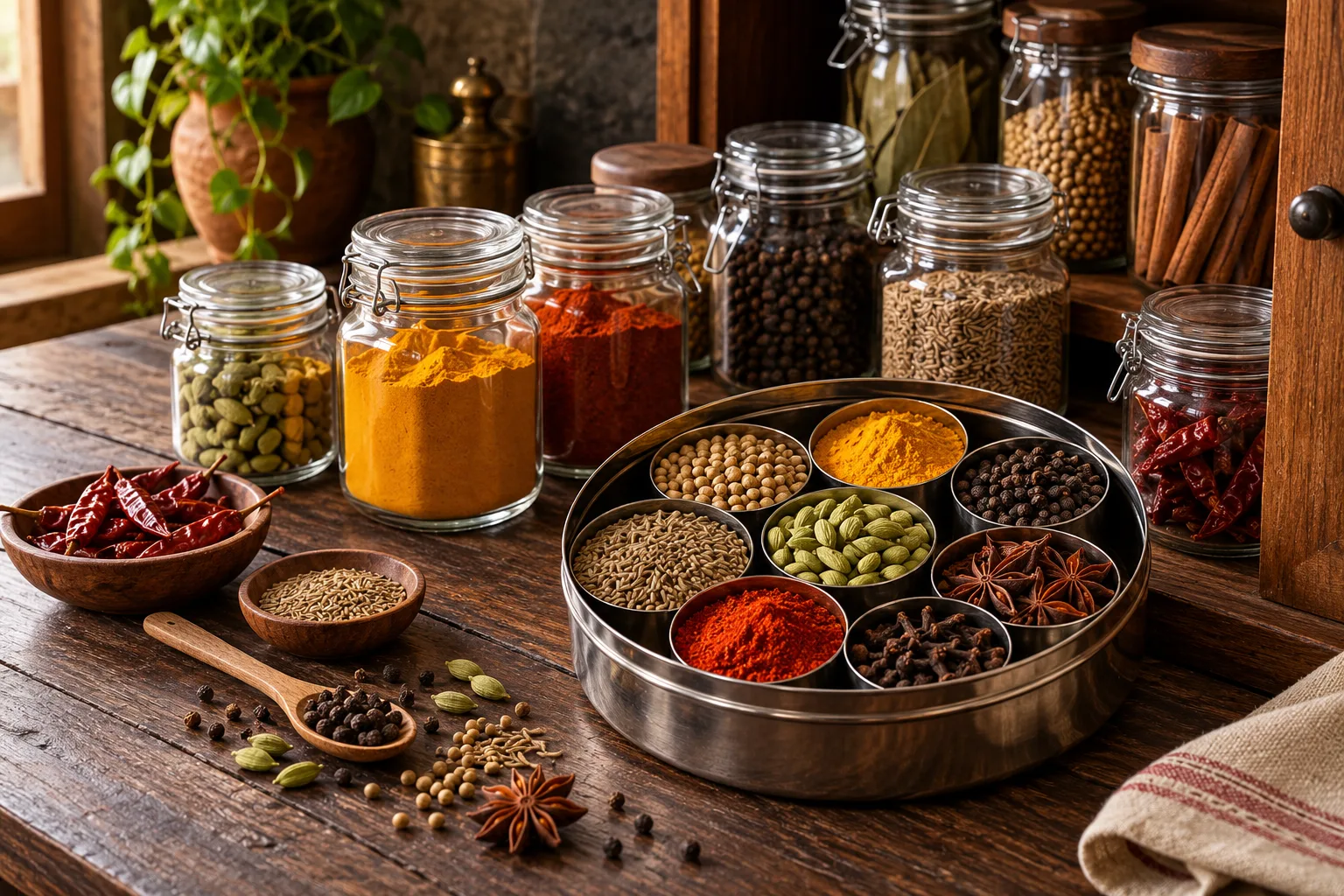
Indian spices bring aroma, colour and flavour to everyday cooking. From cumin and coriander to turmeric, cardamom and cinnamon, spices are an essential part of many Indian kitchens.
However, spices can gradually lose their aroma and flavour when they are exposed to heat, light, air or moisture. Poor storage can also cause clumping, contamination and, in damp conditions, mould.
Knowing how to store Indian spices correctly helps you maintain their quality, reduce unnecessary waste and keep your kitchen organised.
In this guide, you will learn the difference between storing whole and ground spices, how to choose suitable containers, which storage mistakes to avoid and how to recognise signs that a spice may no longer be suitable for use.
Why Is Proper Spice Storage Important?
Spice storage affects the quality of your cooking. Even a familiar seasoning may taste less aromatic when it has been stored for too long or kept in unsuitable conditions.
Proper storage can help you:
-
Preserve the natural aroma and flavour of spices.
-
Protect spices from moisture and unwanted odours.
-
Reduce exposure to air, heat and direct sunlight.
-
Keep your spice collection organised and easy to use.
-
Avoid wasting spices that have lost their quality.
If you are learning about different seasonings, read our guide to Indian Spices Names in English: A Complete Guide to understand common spice names and their culinary uses.
Whole Spices vs Ground Spices: What Is the Difference?
Whole and ground spices need similar basic storage conditions, but they do not always retain their quality for the same length of time.
How to Store Whole Spices
Whole spices include cumin seeds, coriander seeds, black peppercorns, cloves, cardamom pods and cinnamon sticks.
Their intact structure generally helps protect their aroma for longer than grinding them exposes it. When stored correctly, many whole spices can retain their quality for an extended period.
For better storage:
-
Keep them in clean, dry, airtight containers.
-
Store them away from direct sunlight.
-
Avoid placing containers beside a hot stove.
-
Use dry utensils when handling them.
-
Label containers clearly so you can identify each spice.
Whole spices can also be ground in smaller quantities when needed, helping you enjoy their aroma without keeping a large amount of powder for too long.
How to Store Ground Spices
Ground spices include turmeric powder, coriander powder, cumin powder and chilli powder.
Grinding increases the surface area exposed to air, which can speed up the loss of aroma and flavour. Ground spices therefore benefit from careful handling and well-sealed storage.
Follow these practices:
-
Close the lid immediately after use.
-
Avoid leaving containers open while cooking.
-
Keep the powder away from steam and splashes.
-
Use a clean, completely dry spoon.
-
Buy quantities that suit your regular cooking habits.
Helpful tip: If you use a spice only occasionally, a smaller package may be more practical than buying a large quantity that sits unused for months.
Where Should You Keep Indian Spices?
The best storage location is generally cool, dry and away from direct sunlight.
Keep Spices Away from the Stove
A shelf directly above or beside a stove may look convenient, but repeated heat exposure can affect spice quality. Steam from cooking can also introduce moisture into containers.
Choose a cupboard or drawer away from direct heat instead.
Avoid Direct Sunlight
Sunlight can expose spices to heat and light that may gradually affect their colour and aroma. An enclosed cupboard is often more suitable than an open shelf beside a sunny window.
Protect Spices from Moisture
Moisture can cause powders to clump and may create conditions that encourage mould. Keep containers away from sinks, wet countertops and areas where steam regularly accumulates.
Keep Strong Odours Away
Spices can absorb unwanted odours if their containers are not properly sealed. Store them away from strongly scented cleaning products and other items that could affect their aroma.
Which Containers Are Best for Storing Spices?
There is no single container that is best for every kitchen. The most important features are a secure closure, clean interior and protection from moisture.
Glass Containers
Glass jars are easy to clean and do not usually retain odours. They work well when their lids close securely and the jars are kept away from direct sunlight.
Food-Safe Airtight Plastic Containers
Good-quality, food-safe containers can be convenient, lightweight and practical for everyday use. Make sure they are clean, dry and suitable for food storage.
Metal Containers
Metal containers can be useful for protecting spices from light, provided they are food-safe, clean and kept dry. Ensure that the lid closes properly.
Traditional Indian Masala Boxes
A masala box can make frequently used spices easy to reach while cooking. However, it is important to keep the compartments clean and dry and avoid exposing the box to steam or moisture.
If spices are stored together in a box that is opened frequently, consider keeping less frequently used spices in separate sealed containers.
Common Spice Storage Mistakes to Avoid
Using Wet Spoons
A wet spoon can introduce moisture into a container of powdered spice. Over time, this can affect its texture and quality.
Always use a clean, dry utensil.
Leaving Containers Open
Air exposure can gradually reduce the aroma of many spices. Close the lid after taking out the amount you need.
Storing Spices Above a Hot Stove
Repeated exposure to heat and steam is not ideal for preserving spice quality. Move frequently used spices to a cooler location.
Buying More Than You Need
Large packages may seem economical, but they are not always practical if you use the spice infrequently.
Buy quantities that you can reasonably use while the spices retain their quality.
Mixing New Spices with Old Spices
Adding fresh powder on top of an old supply can make it harder to track the age and condition of the contents. It may also transfer moisture or contaminants if the container is not clean.
Finish or assess the existing supply, clean and dry the container when appropriate, and then refill it.
Ignoring Clumping or Unusual Changes
Some spices naturally form small lumps, but unexpected clumping may indicate moisture exposure. Check for unusual odours, visible mould or other signs of contamination.
If you see mould or suspect contamination, discard the spice rather than attempting to dry it out and reuse it.
How Can You Tell If Spices Have Lost Their Freshness?
Spices do not all deteriorate at the same rate. Their quality depends on the type of spice, processing, packaging and storage conditions.
Here are some practical checks.
Aroma: Many spices have a distinctive smell. If a spice has become noticeably weak or flat, it may have lost much of its flavour.
Colour: Some spices naturally fade over time. Unexpected or unusual colour changes should be checked alongside other signs of deterioration.
Texture: Powder that has become unexpectedly damp or heavily clumped may have been exposed to moisture.
Visible condition: Discard spices showing visible mould, insects or other signs of contamination.
A spice that has lost aroma is not necessarily unsafe, and normal appearance does not guarantee that a contaminated product is safe. When in doubt about contamination, discard it.
Should You Refrigerate Indian Spices?
For most dried spices, a cool, dry cupboard with an airtight container is a practical storage choice.
Refrigeration is not normally necessary for everyday dried spices and may expose them to condensation when cold containers are repeatedly opened in a warm, humid kitchen.
Some products may have special storage instructions, so always follow the manufacturer's label.
The key principle is to keep dried spices protected from heat, moisture, air and unwanted odours.
How to Organise Your Indian Spice Collection
A well-organised spice cupboard saves time and makes it easier to identify what you already have.
Group Similar Spices Together
Keep everyday powdered spices in one area and whole spices in another. You can also group frequently used seasonings separately from those reserved for special dishes.
Label Every Container
Write the spice name clearly on each container. Include the purchase or opening date if it helps you track older supplies.
Keep Frequently Used Spices Accessible
Place the spices you use regularly in a convenient cupboard or drawer, away from heat and moisture.
Review Your Collection Regularly
Check your spice containers from time to time. Remove products that are contaminated, identify spices that have lost their aroma and avoid buying replacements before you need them.
Keep Spice Blends Clearly Identified
Spice blends such as garam masala, sambar powder and chaat masala can differ between brands. Keep their labels so you know exactly which blend you are using.
Frequently Asked Questions About Storing Indian Spices
How should Indian spices be stored at home?
Store dried spices in clean, dry, tightly closed containers in a cool place away from sunlight, heat and moisture. Follow any special instructions on the package.
Do whole spices last longer than ground spices?
Whole spices generally retain their aroma longer because grinding exposes more of their surface to air. The actual storage period depends on the spice and its packaging.
Can I keep spices near my cooking stove?
It is better to avoid storing spices directly beside or above a stove because heat and steam can affect their quality. Choose a cooler, drier location.
Why does spice powder become lumpy?
Powdered spices may clump when moisture enters the container. Use dry spoons, close lids promptly and store containers away from steam.
How can I keep spices aromatic for longer?
Protect them from air, moisture, heat and direct sunlight. Buy appropriate quantities and keep containers tightly closed between uses.
Should I throw away spices that have lost their aroma?
A loss of aroma usually indicates reduced flavour quality, but it does not automatically prove that a spice is unsafe. Check the product for contamination and follow its label guidance.
Is a masala box suitable for long-term spice storage?
A masala box is useful for everyday access, but frequently opened compartments may expose spices to air and kitchen moisture. Keep bulk supplies in separate sealed containers if needed.
Final Thoughts
Proper spice storage is a simple kitchen habit that can help preserve aroma, flavour and quality. Whether you use a traditional masala box, glass jars or food-safe airtight containers, the most important things are to keep spices dry, limit exposure to heat and light, and close containers after use.
Buy quantities that match your cooking habits, label containers clearly and check your spice collection regularly.
For more practical kitchen guidance, explore our Indian Spices Names in English guide and our Soya Chunks: Uses, Cooking Tips and Storage guide.
Visit ApnaRecipe for more ingredient guides, kitchen tips and everyday Indian food information.